

In the early 1800s, James Forten, a free-born African American, was one of Philadelphia’s most successful and wealthy businessmen. He owned a thriving sailmaking company, was a savvy investor, and proved to be an excellent manager. Yet, he constantly faced racial prejudice and had to overcome challenges in a society that didn’t believe African Americans were capable of running businesses or managing others. Learn more about James Forten’s life and accomplishments at philadelphia-future.
Early Life and Education
James was born in Philadelphia on September 2, 1766, to Thomas and Margaret Forten. They had two children, James and a daughter, and were free-born. The last formerly enslaved person in the family was Thomas’s grandfather.
When his father passed away early, James started working as a chimney sweep at age 7. He later got a job as a grocery store clerk. At the same time, he attended a free school for African American children. His mother insisted on the importance of education, but James left school at age 9 to continue working.
At 14, when the Revolutionary War began, James became a sailor on the privateer “Royal Louis.” The ship was soon captured by a British warship. The British captain was so impressed by the young Forten’s abilities and character that he offered to take him to England for schooling. However, James refused and remained a prisoner of war. He was eventually exchanged seven months later.
James returned to Philadelphia, then sailed to England, where he worked in a London shipyard for a year before returning home.
From Apprentice to Business Owner
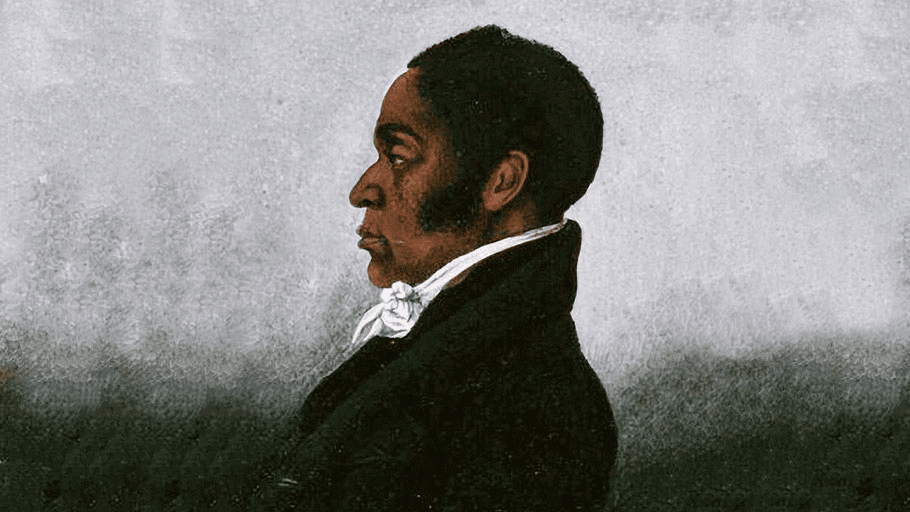
Back in Philadelphia, James approached Robert Bridges, his father’s former employer. Bridges owned a company that made and repaired sails and worked with the city’s shipbuilders. Remembering James, he offered him an apprenticeship. Forten learned the trade quickly and soon became a foreman, mastering every detail of sailmaking.
This was an incredibly important trade for Philadelphia, a major port city. In the early 19th century, thousands of ships arrived at the port, and export volumes were constantly growing. High-quality sails were crucial for fast and reliable cargo transport.
So, James Forten chose a promising career path. He worked with Bridges for over 10 years, not only becoming an excellent sailmaker but also developing strong leadership skills and building connections with shipowners and suppliers. The company produced high-quality goods, business was growing, and Bridges was very pleased with the state of affairs.
So, when Bridges decided to retire in 1798 and needed to choose a successor, he immediately picked Forten. Notably, Bridges had eight children, but he saw them becoming lawyers and doctors and had not trained any of them in the sailmaking business.
This decision was revolutionary for the time. Society was hostile and prejudiced toward African Americans, and entrusting the business to Forten could have led to the loss of clients and employees and even bankruptcy. However, Bridges took the risk and left the business to James, who successfully managed it until his death, after which his sons took over.
James Forten: A Successful African American Entrepreneur

At age 32, James Forten became the owner of a Philadelphia business. He took over one of the most successful sailmaking companies of its time, a feat largely due to his own hard work. He managed dozens of workers, and the business brought in up to a thousand dollars in profit each year.
Forten had a reputation as an honest and hardworking man and was well-respected in the industry. The company “Willing & Francis,” which owned many ships, gave him their full support and remained a loyal client.
Still, many were shocked to see an African American at the head of a company, especially with white employees. While visitors to the workshop were surprised to see white and Black men working peacefully side-by-side, Forten insisted that this was the future of the United States. He promoted peace and harmony, believing they would eventually replace racial prejudice.
However, James constantly faced obstacles due to his race. Some citizens claimed he wasn’t a citizen of Pennsylvania or the U.S. Furthermore, like other African Americans, he was denied the right to vote. The issue of suffrage was one of the most debated topics of the era. Nevertheless, Forten was politically savvy. He encouraged his white employees to vote and influenced their decisions by explaining the positions and actions of various candidates.
On the economic front, the port of Philadelphia experienced many ups and downs:
- In 1807, President Thomas Jefferson implemented a trade embargo that temporarily halted foreign commerce. Ships sat in port and nobody was buying sails, which negatively impacted Forten’s business.
- Another port blockade followed with the War of 1812.
- Later, Philadelphia ceased being the federal capital, and New York eventually surpassed it in size and economic activity.
Despite these obstacles, Forten skillfully managed his business, which continued to grow and remain profitable. He shrewdly invested his earnings into other sectors, including lending money for home and business purchases and buying shares in banks, railroads, and insurance companies. He also purchased and rented out residential and commercial properties. This diversification allowed him to increase his income and weather the difficult periods for his sailmaking business.
Community Activism and Personal Life
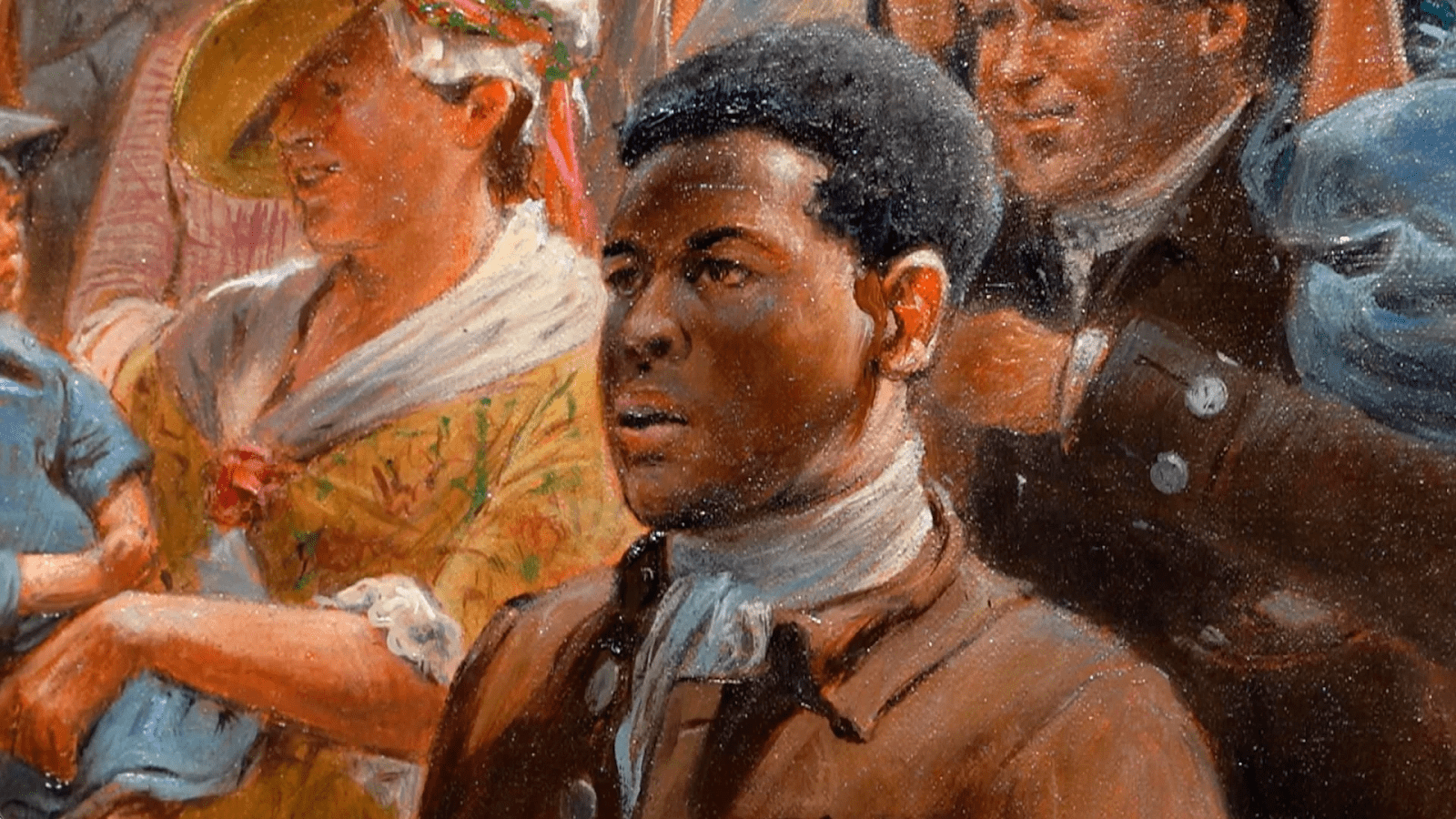
James Forten was known in Philadelphia not only as a successful businessman but also as an active community leader. He directed a portion of his profits to the abolitionist movement and the fight for African American suffrage. He funded African American residents in the city and created educational and career opportunities for them, believing deeply in the importance of education for young people.
He was married twice. His first wife, Martha Beatte, passed away a few months after their wedding in 1804. Two years later, James married Charlotte Vandine. Together, they had nine children.
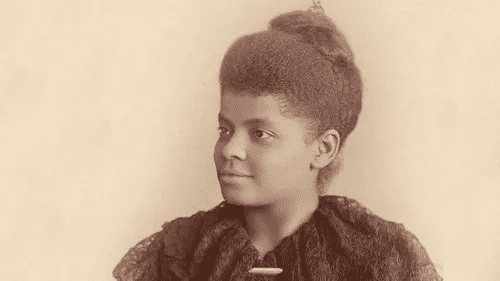
The entire Forten family was politically active. James’s wife and daughters helped found and run the Philadelphia Female Anti-Slavery Society. His daughter Margaretta Forten was a famous abolitionist who dedicated her life to educating her fellow African Americans. Another daughter, Harriet Forten, organized boycotts to support the emancipation of enslaved people and fought for both African American and women’s suffrage.
James Forten wrote for local newspapers and remained an active participant in the abolitionist movement until his death. He and his family lived their entire lives in Philadelphia. The prominent businessman and community leader passed away on March 4, 1842, at the age of 75. Thousands of people, both Black and white, attended his funeral. In history, he is remembered as a smart, progressive leader who overcame adversity and was a true self-made man.