

The city of Philadelphia, often called the birthplace of democracy by Americans, is one of the most famous cities in the United States. Today, Philadelphia is on the list of the most affordable, trendiest, and most popular American cities to live in. It attracts new residents and tourists alike with excellent access to other major cities, a powerful growing job market, a wonderful park system, and many other prospects, attractions, and conveniences. And for good reason, Philadelphia is also called the culinary capital of the United States of America. Learn more at philadelphia-future.
Philadelphia: America’s Culinary Capital
Food in Philadelphia has been unparalleled for a long time. What about its famous cheesesteaks or traditional cheese pie? Today, connoisseurs of quality cuisine from other American cities and far beyond the country’s borders come to local restaurants and other culinary establishments. Year after year, the number of popular local eateries is steadily growing, and many of them deservedly receive various awards in the gastronomic field. Each district of the city is culinarily unique and attracts gourmets with something special. Food establishments representing cuisines from other countries also fit perfectly into Philadelphia’s culinary portrait. Several dishes are even named after the city of Philadelphia. In this context, the association with the namesake cheese and rolls immediately comes to mind. Right?
A Successful “Name” for Cheese – Its Successful Career!
The famous cheese received the name “Philadelphia” in 1872. But it originated much earlier. In the mid-1800s, many dairy farms in America, which owned large pastures, were engaged in the production of fresh, cool Neufchâtel cream cheese (this cheese was first made in France in the 17th century, a hundred years later it began to be produced in England, and in the 19th century in America, and they say it is a relative of the famous “Brie” cheese). So, one dairy farmer named William Lawrence from New York State also decided to try to make the famous Neufchâtel and achieve the success of French cheesemakers.
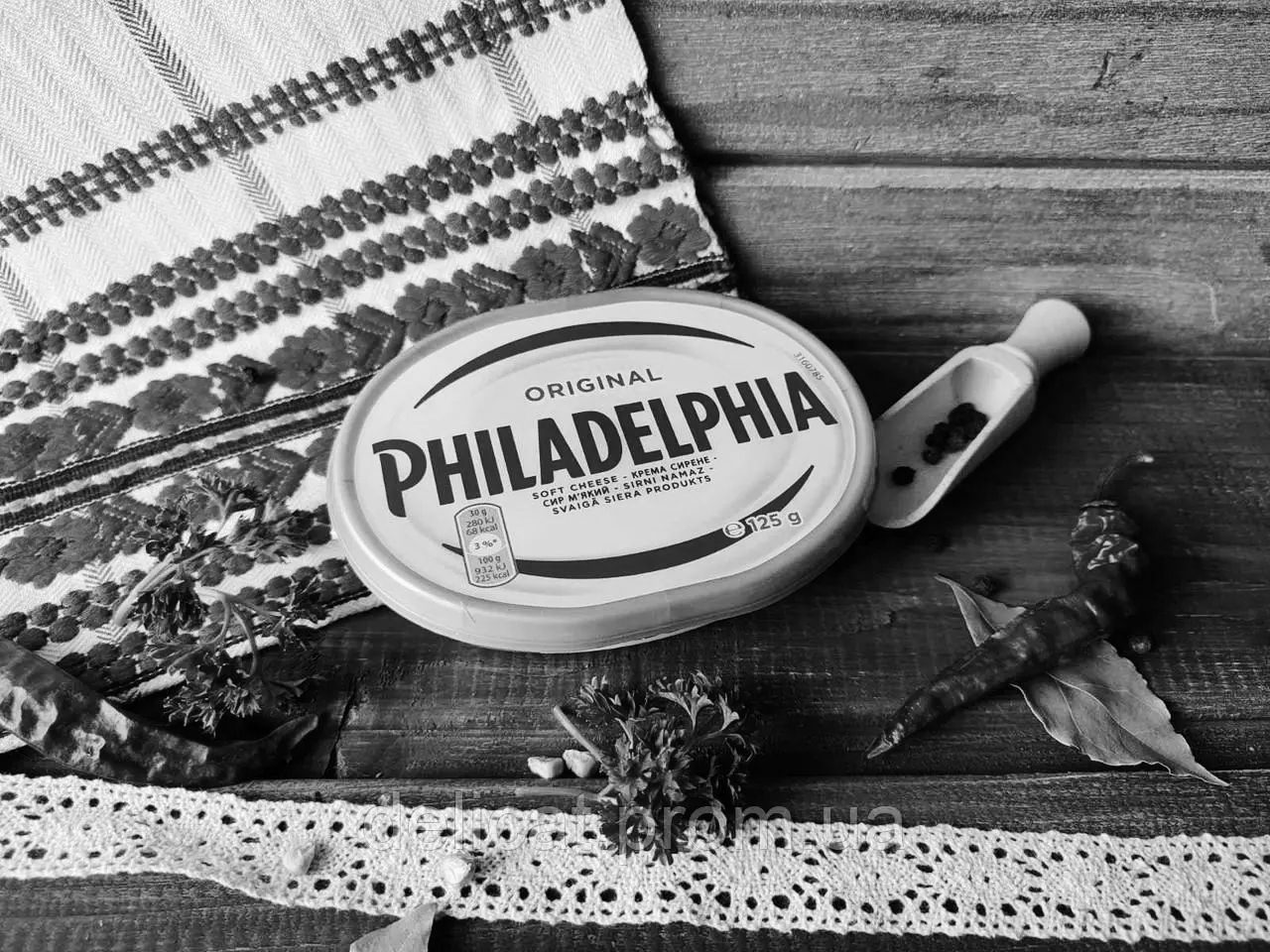
The longed-for cheese that William wanted to emulate was distinguished not only by its rich taste but also by a very complex and long-lasting production method, and it was precisely because of this that the cheese was expensive, and therefore brought excellent profits to the producers. Whether by chance or intentionally (to somewhat reduce the cost of cheese production), Lawrence did not adhere to the original recipe and increased the cream content. As a result, a very tasty and original cream cheese was “born” from high-quality milk, or rather, a delicate creamy mass. This is essentially what modern gourmets call cream cheese. And the increased proportion of cream not only distinguished the new cheese from Neufchâtel but also contributed to the lack of need for long aging, which reduced the cost of the product. Lawrence did not think too much about the original name of his brainchild and simply called it “Cream Cheese.” The farmer began selling his cheese, but for some reason, the product did not gain popularity among buyers at a furious pace…
This continued until the cheese attracted the attention of a large and resourceful entrepreneur, Reynolds. He not only bought out the cheesemaker’s idea and began selling cheese according to his recipe but also shrewdly decided to give the cheese a very successful resounding name – “Philadelphia Cream Cheese“. Adding the “magic” word “Philadelphia” to the existing name (that is, naming the cheese after the city of Philadelphia) was a super idea, because Philadelphia had already gained fame as a city where food of excellent quality was produced and sold. This meant that “Philadelphia” cheese promised to be the best!
When mass production of the product began, the cheese was wrapped in foil. It is said that its first seller company was Empire Company; five years later, it was acquired by Phenix Cheese Company, which merged with Kraft Cheese Company in 1928. Since then, and until now, the production of the original cheese belongs to the American company Kraft Foods, and the product can boast huge popularity and commercial success. In 1960, “Philadelphia” cheese discovered Europe, and later it conquered the whole world.
Over the years, the recipe for “Philadelphia” cheese has changed and improved. A low-fat version was produced in 1985. Later, cheese with pepper, onions, etc. appeared. Eventually, industrial sales of “Philadelphia” grew so much that the product is now among the most popular cheeses in the world, and it is also the basis for at least a hundred original dishes.
So How Is It Made?
True “Philadelphia” cheese, according to production traditions, contains no preservatives and is made from cow’s milk with the subsequent addition of cream, salt, lactic acid, xanthan gum, carob bean gum, guar gum, and sorbic acid.
The production process, of course, begins with milking the cows. The milk enters special tanks. Then it is pasteurized to eliminate a number of microorganisms that can harm humans. By the way, the method of pasteurizing “Philadelphia” was invented back in 1912 by the creator of Kraft Foods Inc., James Kraft. For pasteurization, milk is heated for 15 seconds at a temperature of 72 degrees Celsius (161.6 F). After the process is completed, the milk is cooled. Then yeast and dairy cultures are added. Cheese is formed. It is subjected to slight pressure to get rid of whey and then salt is added. Flavor additives are added to the finished cheese before packaging.
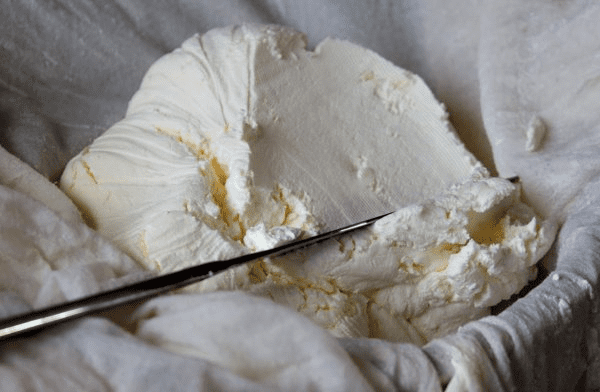
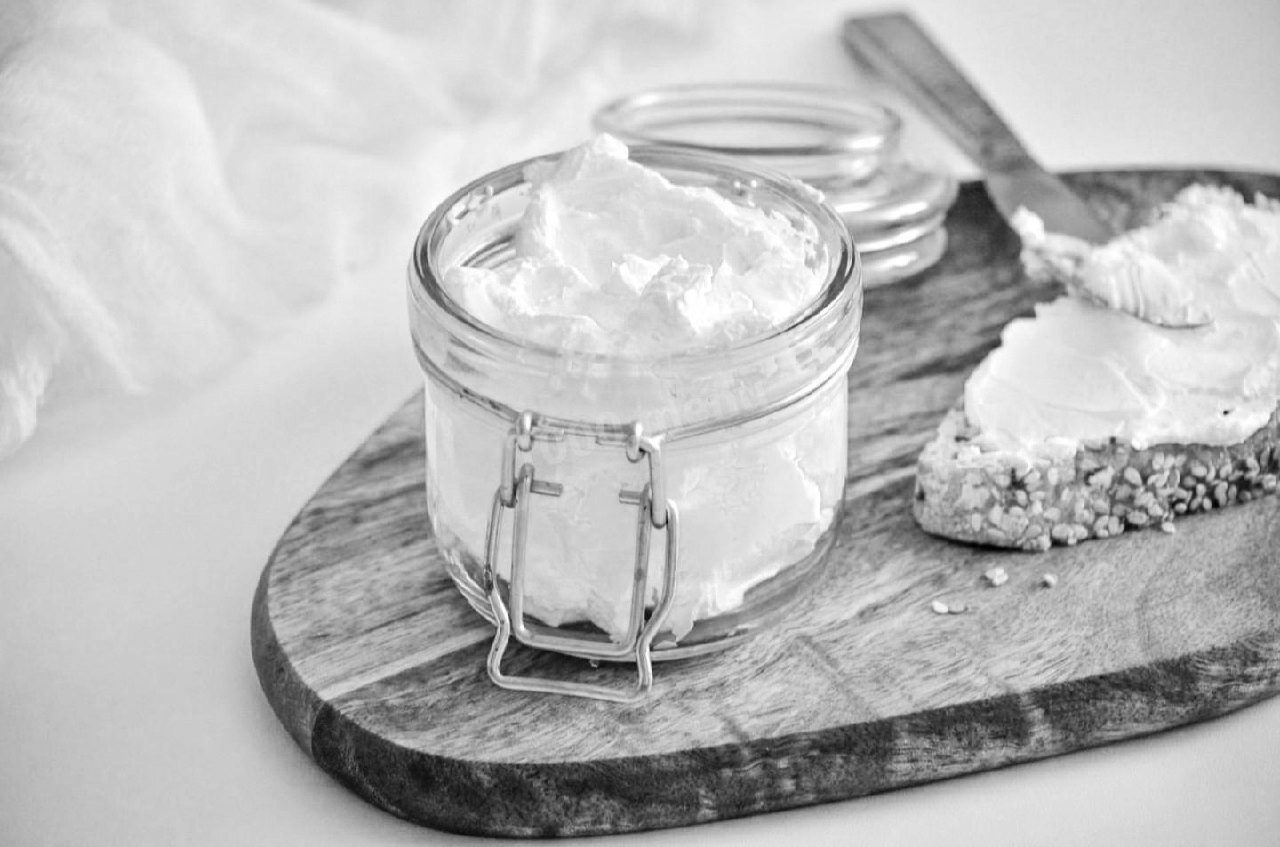
“Philadelphia” cheese has a white color and no rind. The texture of the cheese is creamy, so it spreads perfectly, for example, on bread, and is an excellent ingredient for various desserts. Although the cheese is dense, it simply melts in your mouth. Its taste is salty, somewhat bitter, and sour, and to improve its taste qualities, spices, vegetables, fruits, berries, and sauces are added to the product. “Philadelphia,” as a soft cheese, does not require ripening; it is consumed fresh. Due to its natural ingredients, the cheese can be stored for a maximum of 3-4 months. “Philadelphia” cheese is quite healthy, containing vitamins A, B2, and B12, and minerals (including calcium and phosphorus). It has less protein than hard cheeses. And the main fats in its composition are saturated, so it is worth consuming the cheese in large portions only in combination with fiber, light dishes.
So, Are “Philadelphia” Rolls Also From a Different City?
There are experts who are inclined to believe that “Philadelphia” rolls were invented directly in the namesake city. But they are a minority. Because the main version of the dish’s origin is that “Philadelphia” cheese must be included in its composition.
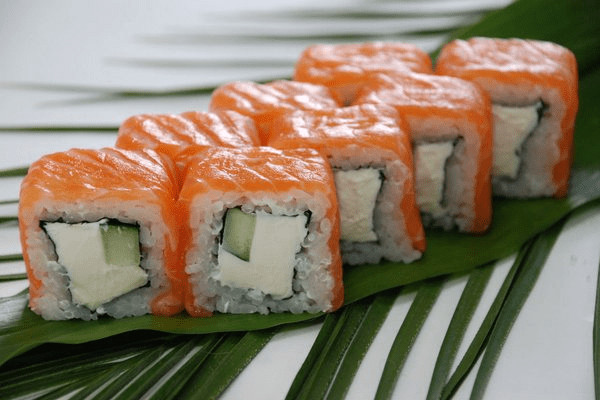
“Philadelphia” rolls were first prepared in the mid-1980s by one of New York’s talented chefs. Inspired by the “duet” of “Philadelphia” cheese and salmon in the bagel recipe, he decided to embody it in a Japanese style. A bagel is an ordinary donut that is improved with various sweet and savory fillings. Such a traditional dish, which perfectly took root in the USA, was brought in due time by Jewish emigrants. The most popular were bagels with cream cheese and salmon. And the clever chef invented a new dish based on the popular snack. He worked in a Japanese restaurant and decided to surprise guests by playing with the usual bagel ingredients, cream cheese and salmon, with rice and nori. As a result, it turned out that rolls prepared in America became the face of Japanese cuisine around the world. The recipe for the rolls also changed, but the main ingredients – “Philadelphia” cheese and salmon – never…
This is how the name of the American city of Philadelphia made its namesake cheese and rolls mega-popular in America and the world. Confess, you also love these unparalleled delicacies, don’t you?