

Philadelphia boasts a truly special building that, at the turn of the 20th century, held the title of the “tallest building in the world.” Due to intense urban development, it eventually lost this status, but it remained Pennsylvania’s tallest skyscraper until 1932. Yes, we’re talking about Philadelphia City Hall – a true source of pride and a magnificent landmark for the city. Learn more at philadelphia-future.
Philadelphia City Hall is rightfully considered the city’s most beautiful structure. It even ranks among the top U.S. attractions every tourist should visit. But what exactly makes this historic building so renowned, and what secrets does it hold? Let’s find out.
Background and Project Creation
The construction of Philadelphia City Hall is partly linked to the consolidation of Philadelphia in 1854. This act merged the county and settlements within the county, transferring authority under the aegis of the Philadelphia government and dissolving other local governments. The consolidation necessitated an expansion of services and the creation of new municipal institutions.
City officials debated the location of the new building for a long time, finding it difficult to reach a consensus. This issue remained a pressing concern until 1780. Just a year later, the question of the city hall’s placement was finally put to a vote, and a location was successfully chosen.
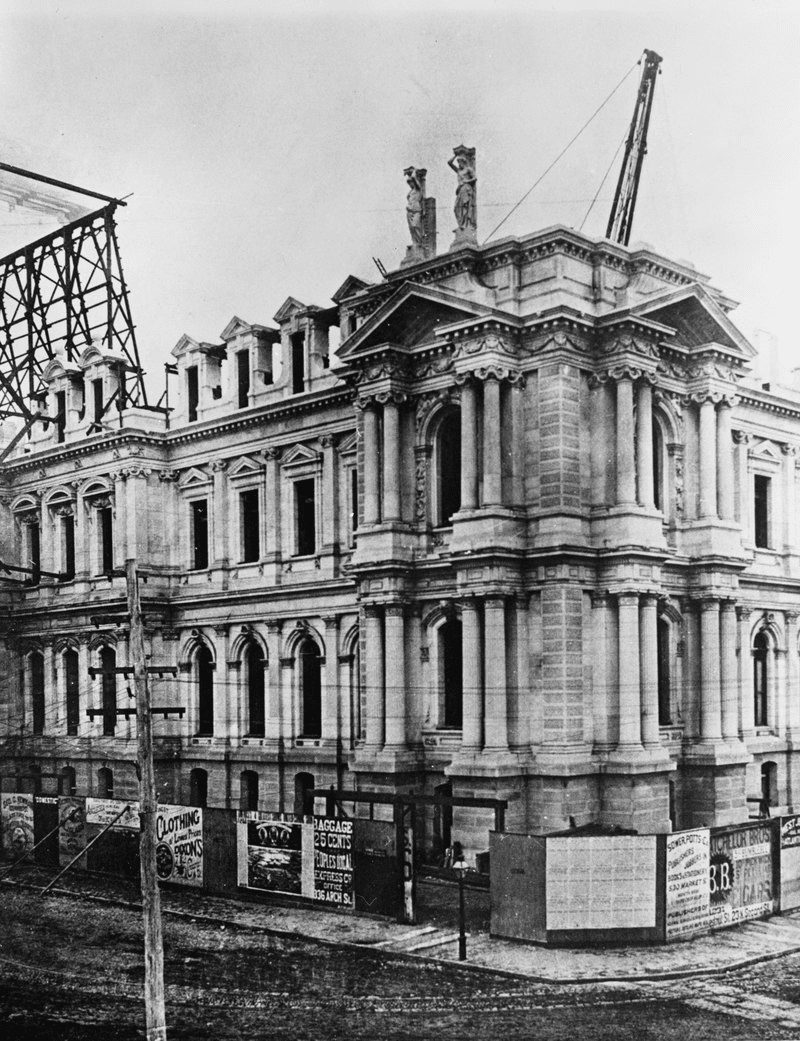
The design for Philadelphia City Hall was conceived in the 19th century by prominent American architects John McArthur Jr. and Thomas Ustick Walter. The creation of Philadelphia City Hall stands as McArthur’s most outstanding work. The building was constructed between 1871 and 1901. It embodies the Second Empire style, characteristic of most of McArthur’s mature works.
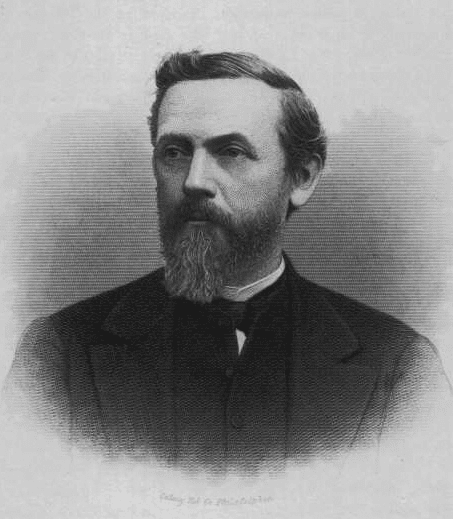
Approximately $24 million was allocated for McArthur’s project. The American architect’s plan envisioned a building whose size would surpass the world’s largest structures at the time—even the Eiffel Tower and the Washington Monument. The City Hall stands at 167 meters (548 feet) tall. Until 1908, it was considered the “tallest building in the world.” The project’s goal was to impress both city residents and visitors with its sheer scale.
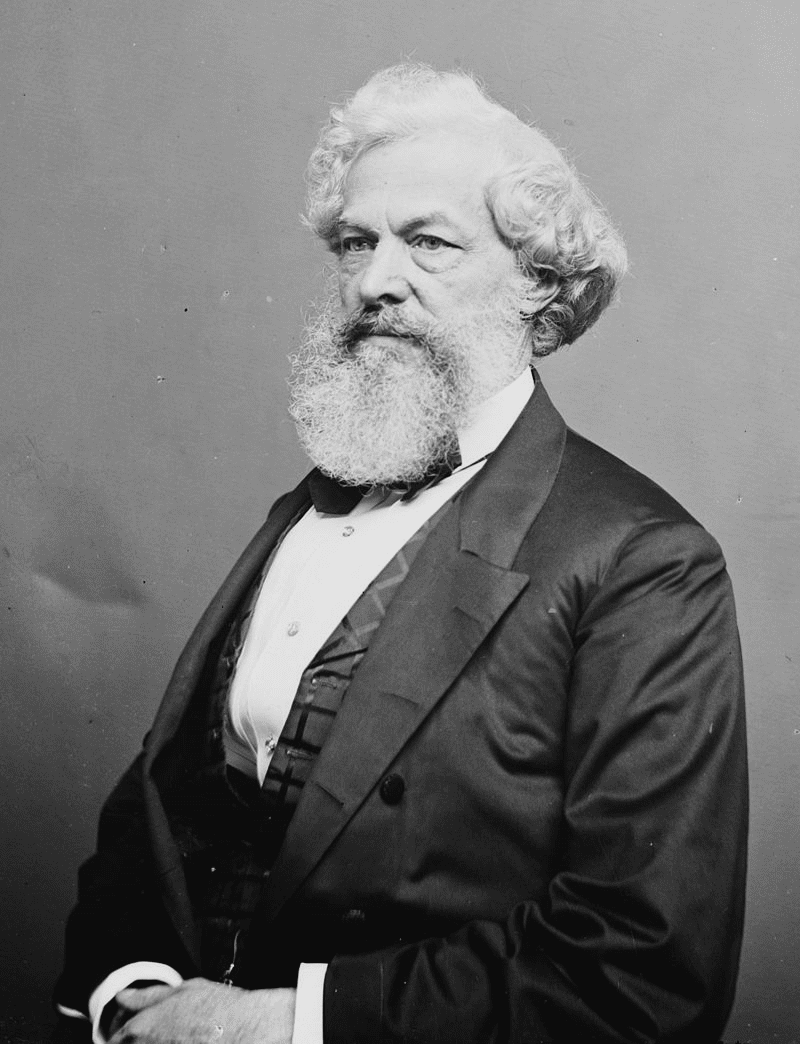
Thomas Ustick Walter was the fourth Architect of the Capitol. When his friend John McArthur Jr. won the competition to build Philadelphia’s City Hall, Walter committed to continuing this endeavor until the end of his life.
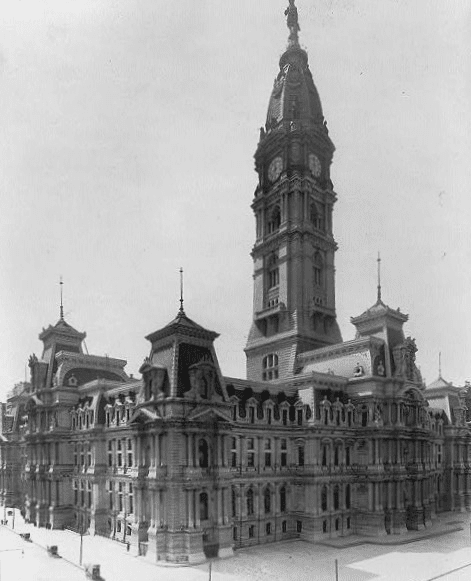
Upon completion of construction, as intended, the building housed not only the mayor’s office but also three branches of local government: executive, legislative, and partially judicial. The City Hall became the largest municipal building in the United States. The structure contains approximately 700 rooms. The tallest and grandest section is the clock tower, which gives the building its majesty and scale. It features enormous clocks on all four sides, with a striking dial diameter of 8 meters (26 feet)!
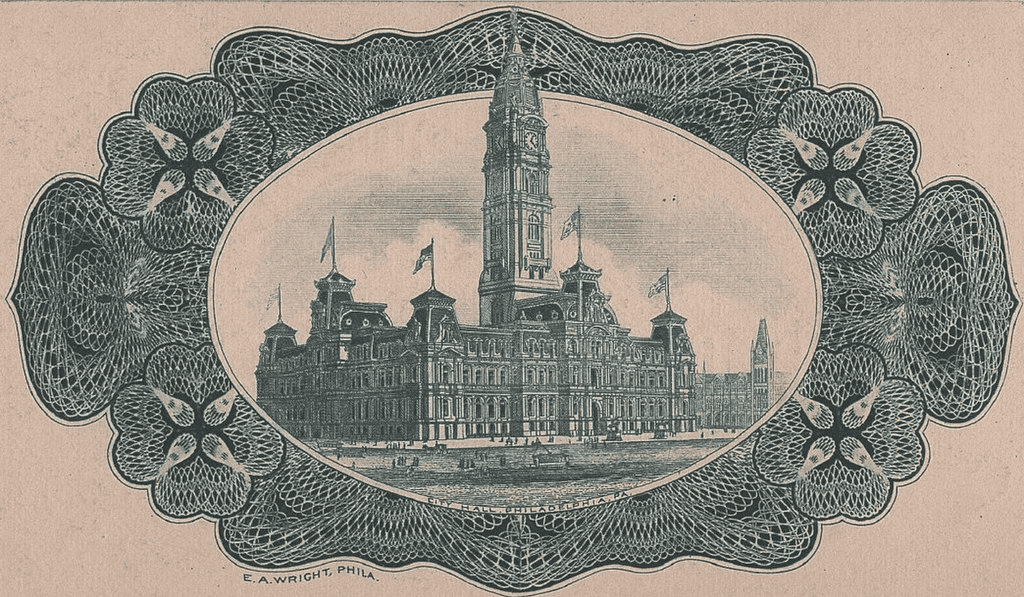
When the City Hall’s construction was completed, many believed its architecture was already outdated. Philadelphia City Hall became an object of ridicule and mockery.
After its construction, there was even a proposal in the 1950s to demolish it due to its perceived hindrance to traffic flow.
Philadelphia City Hall Features
Philadelphia City Hall is a fascinating tourist attraction. In terms of size, it rivals London’s famous Big Ben. Perched on its roof is a statue of the city’s founder and patron, William Penn, linked to a local legend. The bronze sculpture weighs approximately 27 tons. Despite its massive size, it is hollow inside, with a narrow tunnel leading to a hatch on Penn’s hat.
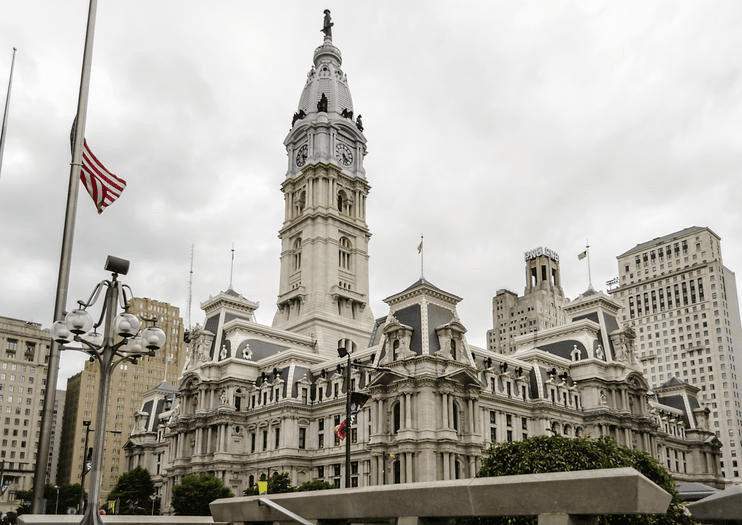
The statue was created by American sculptor Alexander Milne Calder, best known for his works in Philadelphia. He was invited by project architect John McArthur Jr. to create models for the sculptures that now adorn the Philadelphia City Hall building.
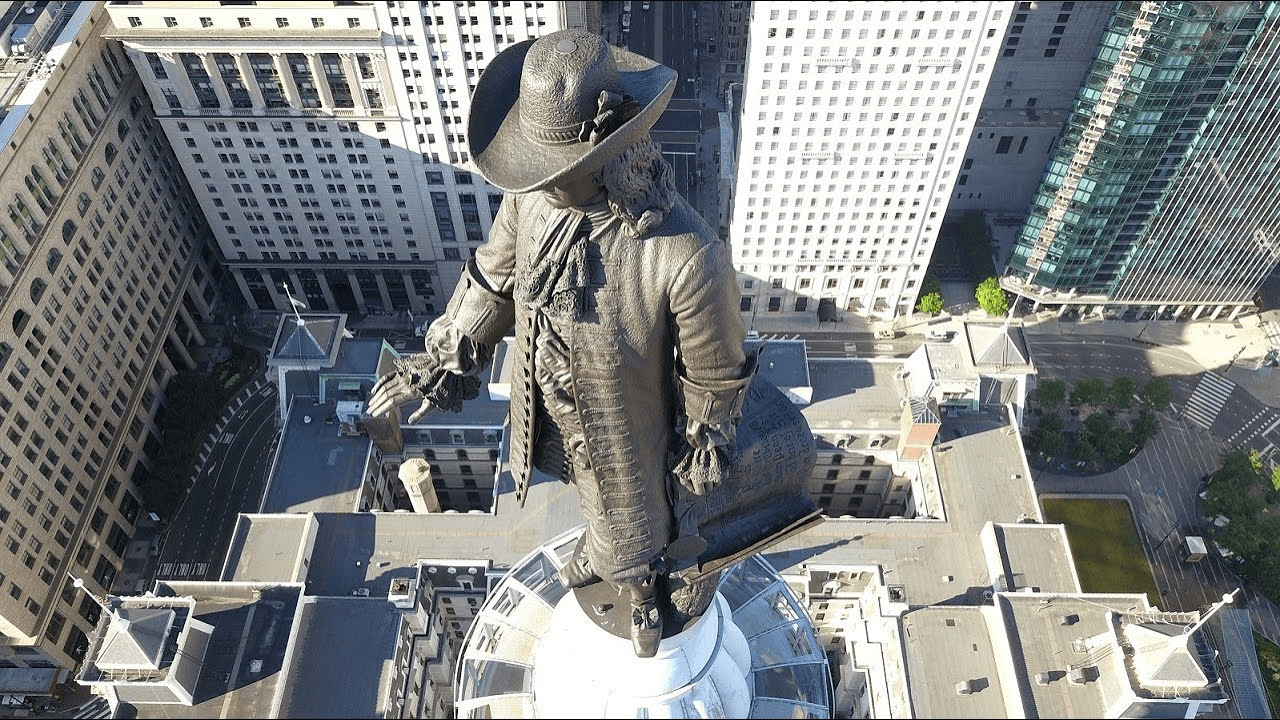
It took Calder over 20 years to complete the commission. In 1875, he won the competition to create the largest bronze statue of city founder William Penn. This very statue graces the roof of City Hall. To this day, it is considered one of the largest rooftop sculptures among other buildings.
The sculptor’s wish was to position it so that Penn’s face looked south. He wanted the statue to be illuminated by the sun for most of the day, thus better revealing the details of his work to viewers.
Can You Go Up the City Hall Tower?
Since its construction, the City Hall has undergone significant changes, especially inside. Many might wonder: “Can you go up to the top of Pennsylvania’s former tallest building?” The answer is yes. An elevator has been installed inside, allowing visitors to ascend to the City Hall’s observation deck. The observation deck is located directly beneath the base of the massive William Penn statue on the roof, the one mentioned earlier.

From a height of approximately 150 meters (492 feet), a panoramic view of Philadelphia and its surroundings unfolds. To visit the observation deck, tickets must be purchased. If you’re interested in a comprehensive exploration of City Hall and its history, consider taking a guided tour. More information is available on the official website.
Philadelphia City Hall is particularly worth visiting in the evening. During this time, its windows light up, and the dials of the enormous clocks are also illuminated. It’s truly a sight to behold.
Is Philadelphia City Hall No Longer the Tallest Building in Philadelphia?
Until 1932, Philadelphia City Hall was the tallest building in Pennsylvania. The construction of the 177-meter (581-foot) Gulf Tower in Pittsburgh displaced it from the top spot. However, the tower continued to be the tallest structure in Philadelphia until the Liberty Place skyscraper was built.

Today, Philadelphia City Hall ranks as the 15th tallest structure in Pennsylvania.
It was constructed from marble, granite, and limestone. The walls are brick, faced with white marble. There is a basement built with white basement blocks. The walls are an impressive 22 feet thick.
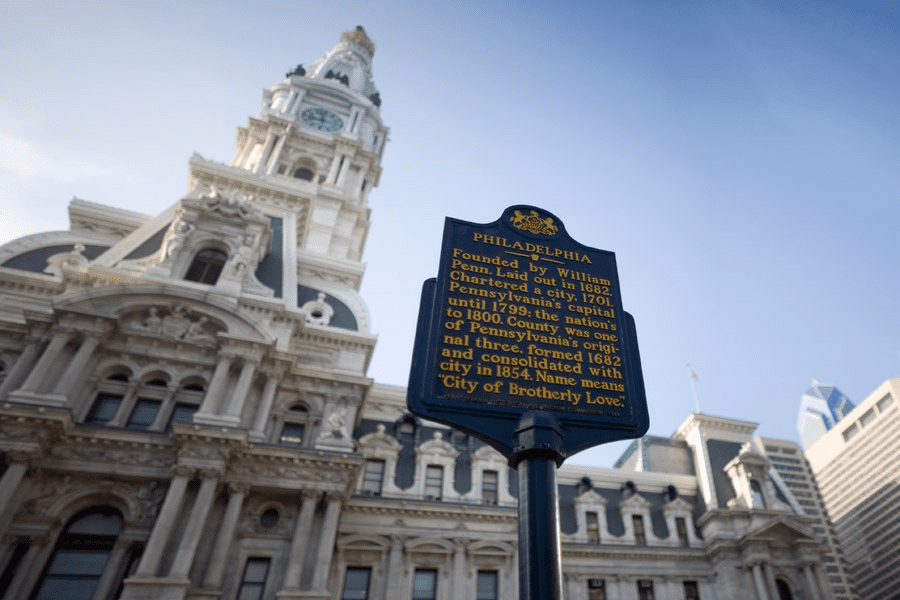
In 2006, Philadelphia City Hall was designated a National Historic Landmark. It also holds significant historical importance and is recognized by the U.S. Federal Government.
William Penn – Founder of Philadelphia
Penn is highly revered in the U.S. He is one of the founding fathers of Philadelphia, the state capital, and the state itself. The colony of Pennsylvania is also his “creation.” William Penn championed democracy. He is notably recognized for his participation in signing a peace treaty with the Lenape tribe, who once inhabited American lands.
It’s worth noting that the largest statue of Penn on the roof of Philadelphia City Hall faces the direction where the city’s founder once signed the treaty with the Native American tribe. This location is in the Fishtown neighborhood.
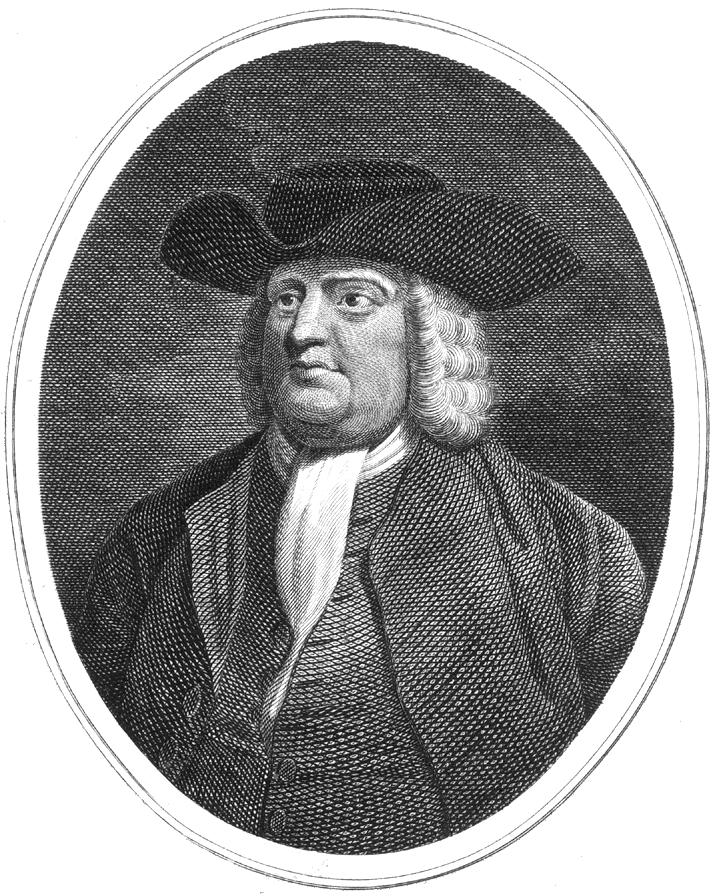
In 1681, Penn founded Philadelphia. He was not only the patron of this city but also, at one point, supposedly cursed it. His curse dictates that among other state sports teams, Philadelphia’s teams would not win championships. This is linked to a breach of agreements and rules, specifically the construction of the taller Liberty Place. The legend didn’t just appear out of nowhere; indeed, Philadelphia sports teams experienced a long period of championship droughts.
Penn always advocated for the unification of the English colonies. He took the issues of peace regulation seriously, which is why he signed peace agreements with many tribes and inhabitants of America. He is considered the first thinker to propose the creation of a European Parliament. Even today, locals deeply honor and respect their city’s founder.

Philadelphia City Hall is open to visitors. Besides the observation deck and the City Hall itself, you can explore the City Council Chamber, the Mayor’s Reception Room, the Philadelphia Supreme Court courtroom, and more. Their interior and design are well worth your time to thoroughly explore this historic city landmark.