

Philadelphia was the site of numerous significant historical events throughout the American fight for independence. That is why there are several notable buildings here, where important meetings and decisions were made. One of them is called Carpenters’ Hall. Find out more at philadelphia-future.
The Carpenters’ Company built this two-story brick house for its needs, and in 1774, it served as the venue for the First Continental Congress. Two years later, Pennsylvania declared independence, established the Commonwealth of Pennsylvania and began preparing for military opposition. We will tell you more about the history of Carpenter’s Hall’s construction and function.
The Carpenters’ Company, one of the oldest in America
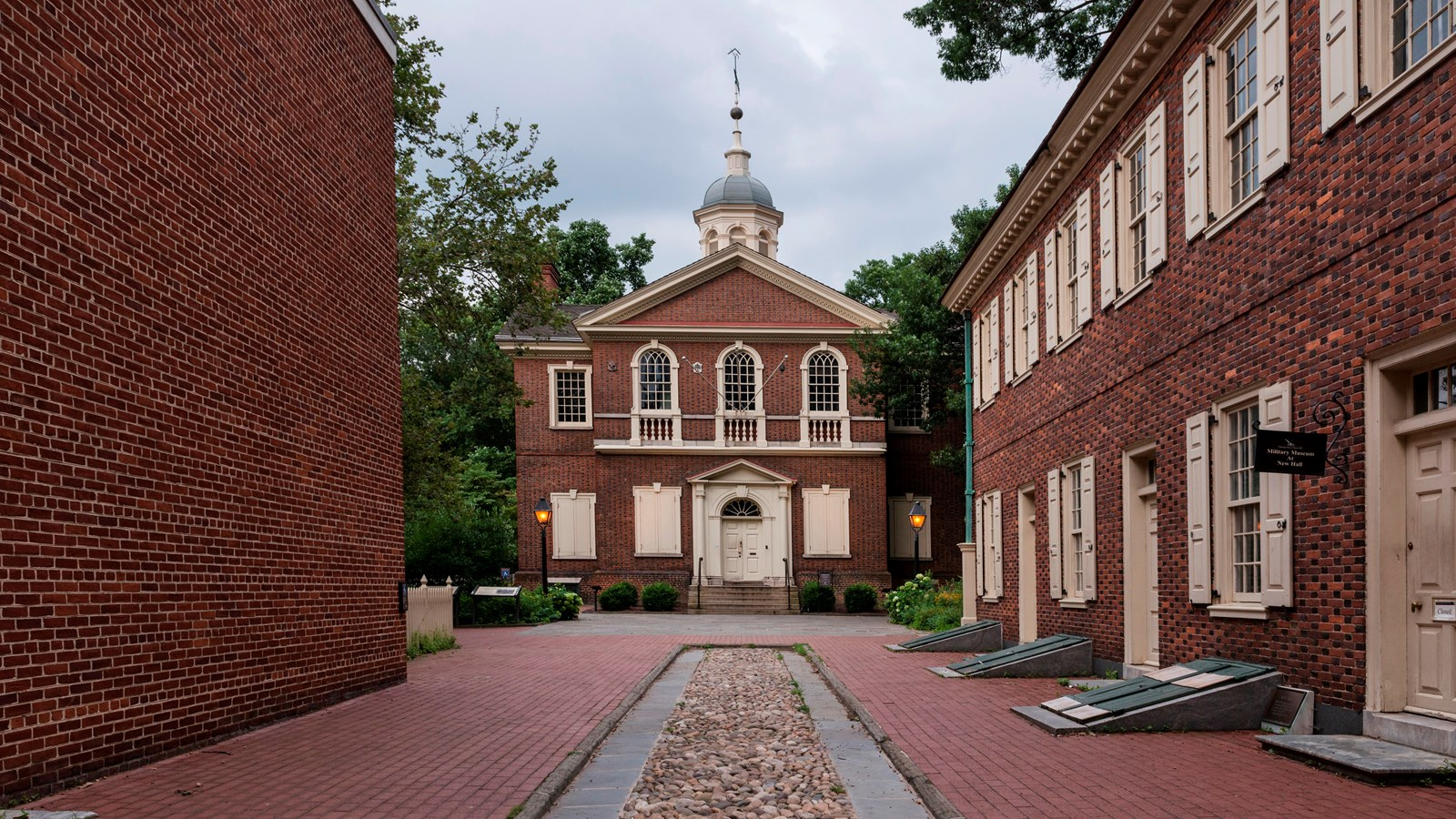
In 1724, carpenters established their own guild. They initially rented space in taverns for meetings, but later realized they needed their own building. In 1768, they decided to locate it on Chestnut Street. Guild members Benjamin Loxley, Robert Smith and Thomas Nevell purchased a plot near Benjamin Franklin’s residence.
Construction was soon underway, supervised by Scottish architect and builder Robert Smith. He was a guild member who led a committee of twelve people working on the building’s design. Smith was 48 years old at the time and well-known across Philadelphia and beyond. The structure was designed in the Georgian style, with inspiration drawn from Scottish town halls and Italian villas.
The design was planned for a two-story, 50-foot-square building with 10-foot cutouts in the corners. The sophisticated design continues to astound with its precision and clarity of lines, reflecting both the architect’s personality and the building’s purpose.
The Carpenters’ Company’s first meeting in the building took place on January 21, 1771. They were held here on a regular basis until the British Army captured Philadelphia in 1777. In April 1773, the building hosted an organizational meeting of the St. George Society of Philadelphia.
As a result, the project was successful and completely justified its purpose. Carpenter’s Hall was also Robert Smith’s last accomplishment, as he died while constructing fortifications against the British Navy in the winter of 1777.
Carpenter’s Hall and the fight for American independence
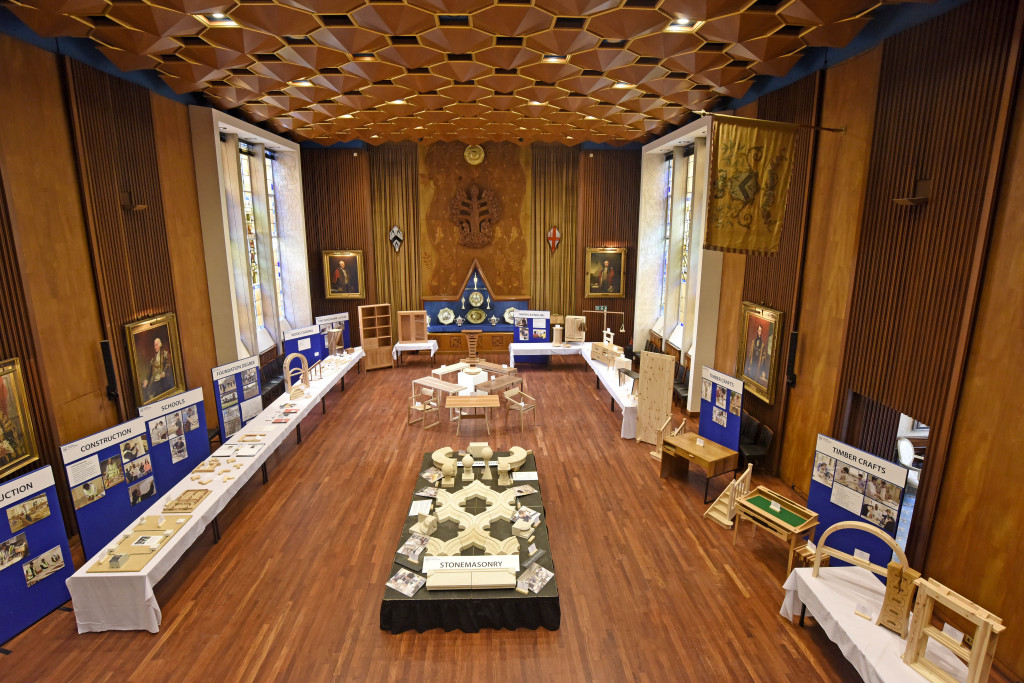
Following the start of the American War of Independence, the building was frequently utilized for important meetings and conferences. It was here that thirteen North American colonies assembled for the First Continental Congress, which ran from September 5 to October 26, 1774.
The Pennsylvania State House, or Independence Hall, was occupied by moderate movement leaders, therefore Carpenter’s Hall was chosen as the site for Congress. It was here that the participants of the meeting:
- adopted a ban on the import of slaves
- decided to stop the slave trade in the colonies
- approved and signed the Continental Association.
In 1776, the structure hosted the Pennsylvania Provincial Conference, which resulted in the province’s official declaration of independence and the establishment of the Commonwealth of Pennsylvania. It also decided to recruit local troops for the US War of Independence, as well as to draft the first documents of national significance, such as the Constitution and the Declaration of Independence.
The British Army occupied the structure in 1777, although only for a brief period. The Carpenters’ Hall served as a hospital for American and British troops. Several organizations and institutions conducted meetings here, including the American Philosophical Society, the Library Company of Philadelphia and the First and Second Banks of the United States.
This structure served as the federal Custom House from 1802 to 1819. It was then used for a variety of public purposes before becoming a historic landmark in Philadelphia, which is frequented by both locals and tourists.
Significance and the current state of the building
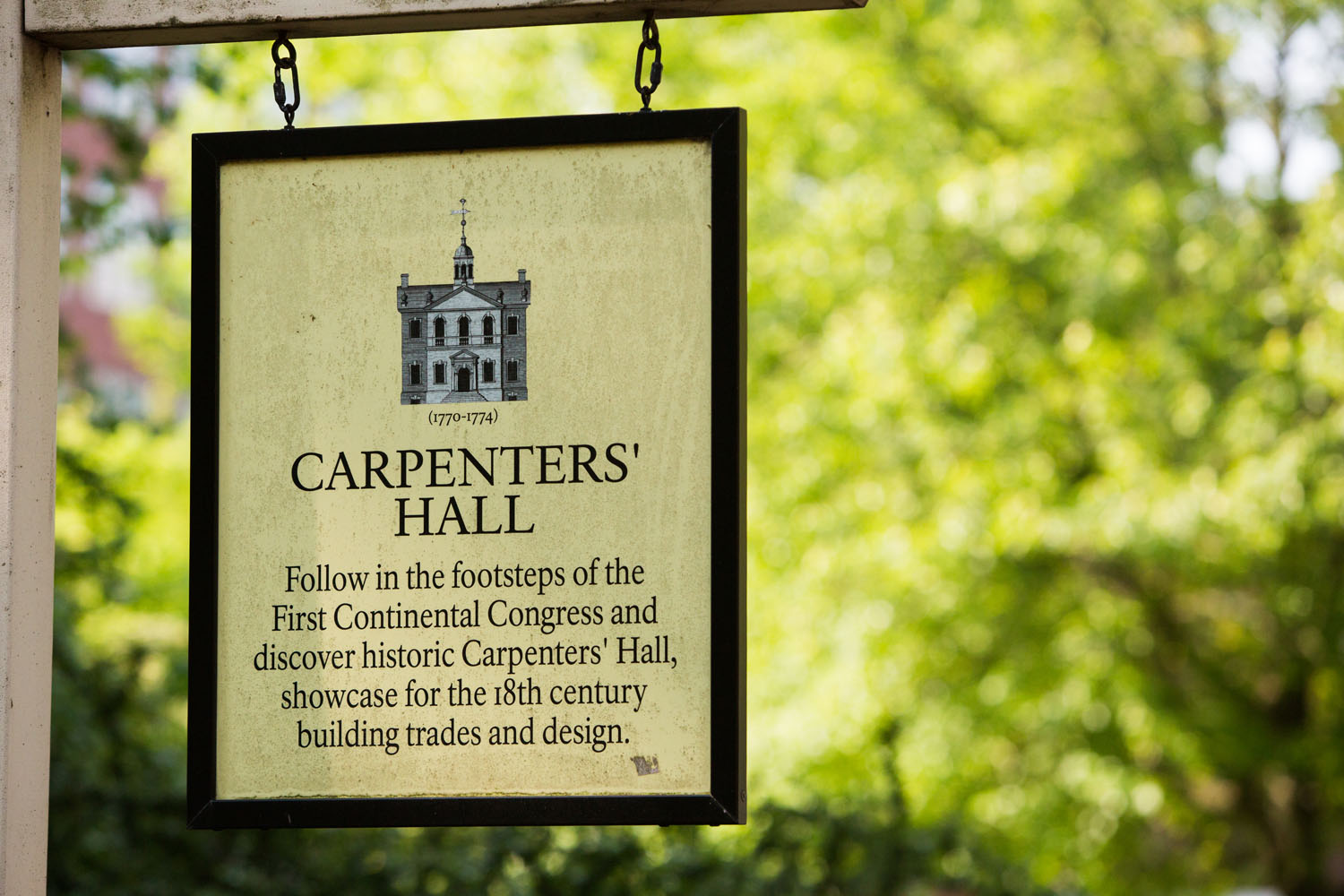
Carpenter’s Hall was named a National Historic Landmark in 1970. In 1982, the Pennsylvania Historical and Museum Commission designated the building as the official birthplace of the Commonwealth of Pennsylvania.
Since then, the building has been featured on guided tours and is free to enter. During the year, it receives an average of over 120,000 visitors, including high-ranking and prominent guests from across the world. Thus, among those who have visited it are acting and former political figures, including King Carl XVI Gustaf and Queen Silvia of Sweden, President of Latvia Guntis Ulmanis, President of the Czech Republic Václav Havel, Governor of Pennsylvania Tom Ridge, Chief Justice of the US Supreme Court Warren E. Burger and US President George W. Bush.
In 2022, the structure was closed for repairs. During this time, a fire broke out in the basement, which was classified as arson. Fortunately, the event had no tragic consequences, and Carpenter’s Hall was repaired and reopened to the public. It is considered a gem of Philadelphia both in terms of architecture, as well as for the many important historical events that took place within its walls. As a result, it is popular and regarded as a city landmark.