
The history of legal casinos in Philadelphia is relatively brief, yet it’s been packed with battles for licenses, legal struggles, and massive investment. For a long time, Pennsylvania, like most of the U.S. East Coast, sent its gambling citizens to Nevada and Atlantic City. However, in the early 21st century, facing financial challenges, the state legislature decided to change the rules, turning gambling into a major source of tax revenue and job creation. Philadelphia, as the largest city in the Commonwealth, became the central player in this ambitious plan. More on the region’s gaming aspects can be found at philadelphia-future.com.
Legalization That Reshaped the Economic Landscape
The turning point was 2004, when Pennsylvania passed Act 71—known as the Pennsylvania Racehorse Development and Gaming Act. This law legalized gaming, permitting the opening of up to fourteen establishments across the state, including “racinos” (complexes based at racetracks) and standalone casinos. Governor Edward Rendell promised to use the revenue from slot machines to lower property taxes.
Initially, many residents opposed the idea, especially in the areas planned for the first facilities. But the Commonwealth’s need for stable tax revenue outweighed the moral and social objections. In fact, Pennsylvania, which legalized casinos later than Nevada and New Jersey, quickly climbed to the second spot in the country for commercial gaming revenue.
The Birth of SugarHouse
The first license for a standalone casino in Philadelphia sparked intense competition. Ultimately, the Pennsylvania Gaming Control Board issued two licenses, but only one was successfully brought to fruition.
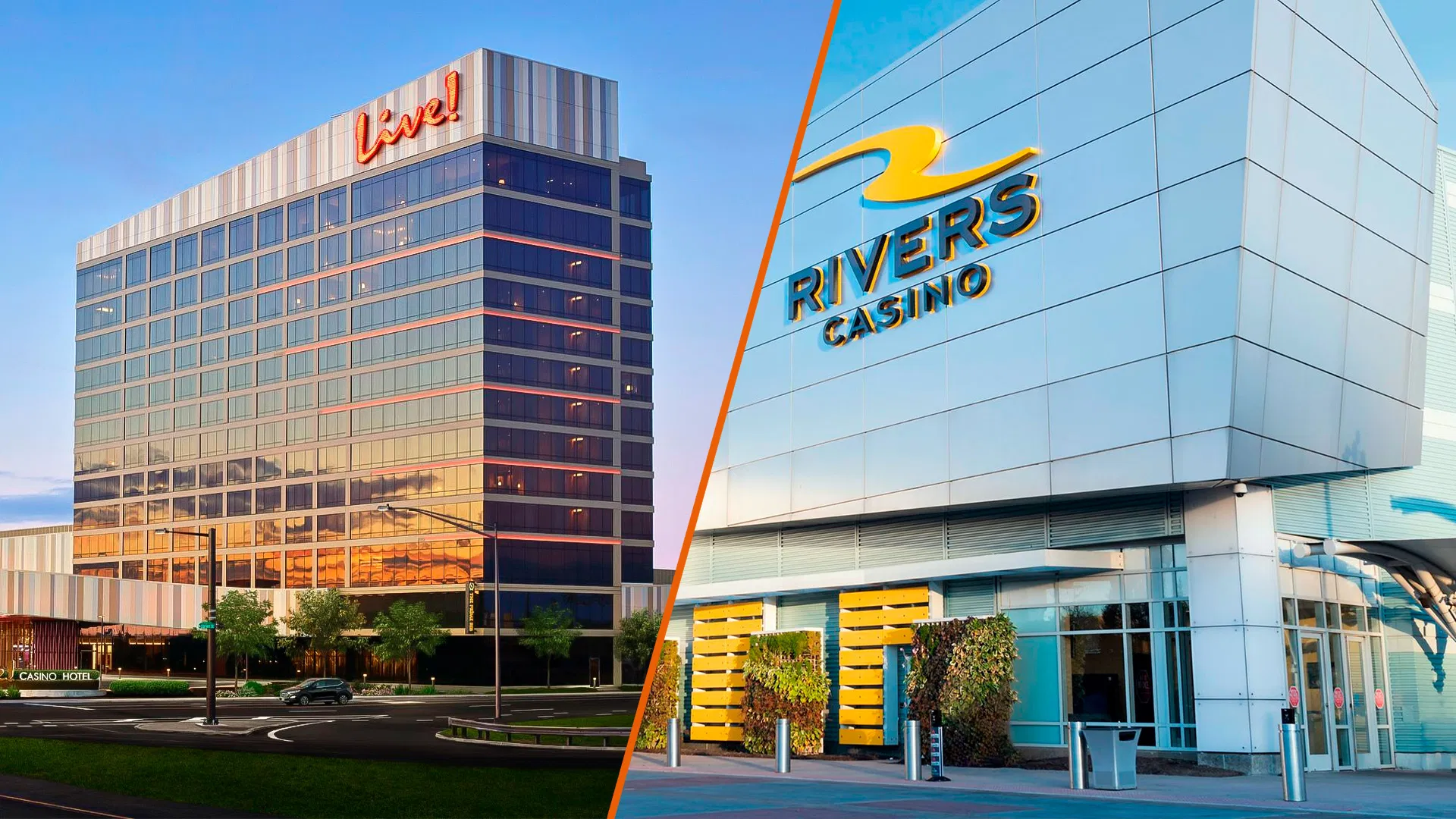
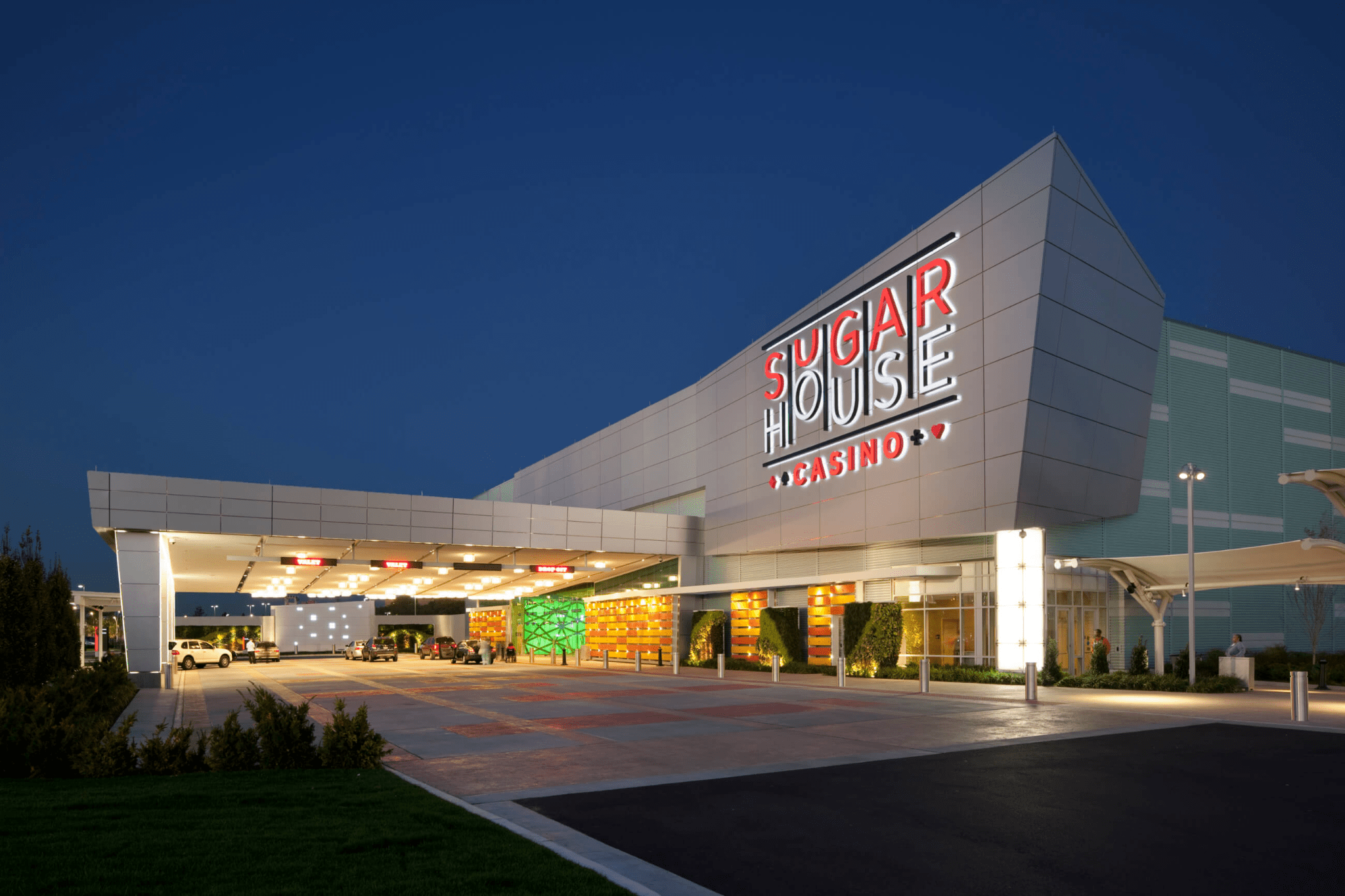
- SugarHouse Casino (now Rivers Casino Philadelphia). This property received its license in 2006. Its location on the Delaware River waterfront in the Fishtown neighborhood, on the site of the former Jack Frost Sugar Refinery, led to lengthy disputes with local activists. Nevertheless, following court rulings, construction began. The casino officially opened on September 23, 2010, making Philadelphia the largest U.S. city with its casino.
- Foxwoods Casino. The second licensee encountered insurmountable financial and planning difficulties. The project was never completed, and the license was revoked in 2010.
In 2019, as part of a network rebranding, SugarHouse changed its name to Rivers Casino Philadelphia.
The South Meets the Stakes
Following the Foxwoods failure, the second city license remained unused, opening the door for new proposals. The winning project was Live! Casino & Hotel Philadelphia, which chose a strategically advantageous location in South Philadelphia, directly within the Sports Complex. This ensured the venue a steady flow of visitors attending “Eagles” or “Phillies” games.
- The construction, valued at $600 million, began in 2018 on the site of a former Holiday Inn hotel.
- The complex officially opened to the public on February 4, 2021, despite the COVID-19 pandemic.
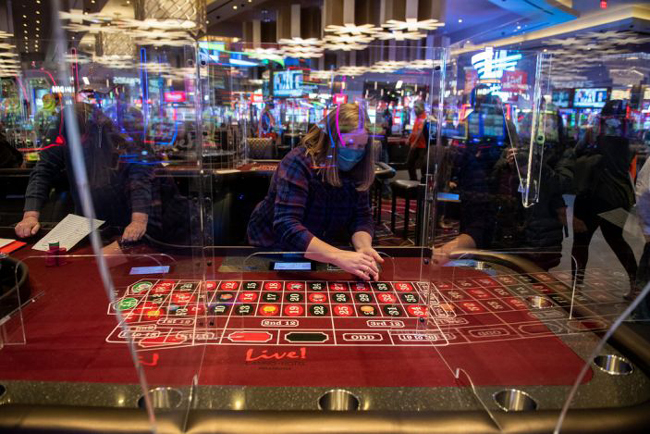
- A distinguishing feature of Live! is its focus on sports themes, integrating a large FanDuel Sportsbook and a lounge with a huge LED display for watching competitions. The complex also features a hotel with over 200 rooms and various dining options.
Economic Impact and Tax Revenue
The gaming business’s effect on the city’s economy has been significant. New venues created thousands of jobs (both temporary construction and permanent positions). Additionally, they generate millions in tax revenue, which is partly allocated to city needs. For instance, Live! Casino & Hotel Philadelphia was projected to bring in over $100 million in tax revenue for the city in its first five years alone, including $25 million designated for the Philadelphia School District.
Since 2010, Pennsylvania expanded its legislation, allowing table games, and later—online gambling and sports betting (since 2017). This allowed brick-and-mortar venues, such as Rivers Casino, to become the first in the state to offer online wagering. This digital expansion gave Philadelphia operators the ability to compete not only with neighboring states but also in the domestic online market, substantially increasing the industry’s total earnings.
Modern Gaming Landscape: A Pragmatic Turn
As we can see, Philadelphia, known for its historic heritage and strict Quaker past, executed a pragmatic pivot, turning gambling from a taboo into a strategic economic tool. The city quickly recognized that legalizing casinos and integrating entertainment complexes could be a powerful financial catalyst. This move allowed the city to achieve several goals simultaneously: attract billions of dollars in investment, create thousands of new positions, and secure significant tax revenue that went to fund schools and infrastructure projects. Philadelphia didn’t just open casinos; it integrated the gaming business into its tourist and entertainment ecosystem, effectively monetizing the leisure sector. Thus, the “City of Brotherly Love” confirmed its capacity for adaptation, turning legislative evolution into a sustainable revenue source and a vital component of Pennsylvania’s modern economy.

