

For over a century, the works of Edgar Allan Poe have captivated researchers and literary scholars. Within American and global literature, this extraordinary figure remains an enigma, as does his literary legacy. Learn more at philadelphia-future.
During his regrettably short life, the essayist moved residences multiple times, living in Boston, Baltimore, Richmond, and Philadelphia, among other places. It’s in Philadelphia where some of the most significant events of Poe’s life unfolded. Here, he lived and created some of his most acclaimed masterpieces.
In a small house on 7th Street, the American writer penned “The Gold-Bug.” It was only many years later that this modest dwelling became a crucial historical landmark in Philadelphia.
Edgar Allan Poe’s Connection to Philadelphia
The renowned American writer from Boston, Edgar Allan Poe, pioneered the genres of science fiction and detective fiction. He lived and worked during the first half of the 19th century, writing plays, poems, and primarily prose. Today, his works are considered essential reading in all countries familiar with English-language literature.
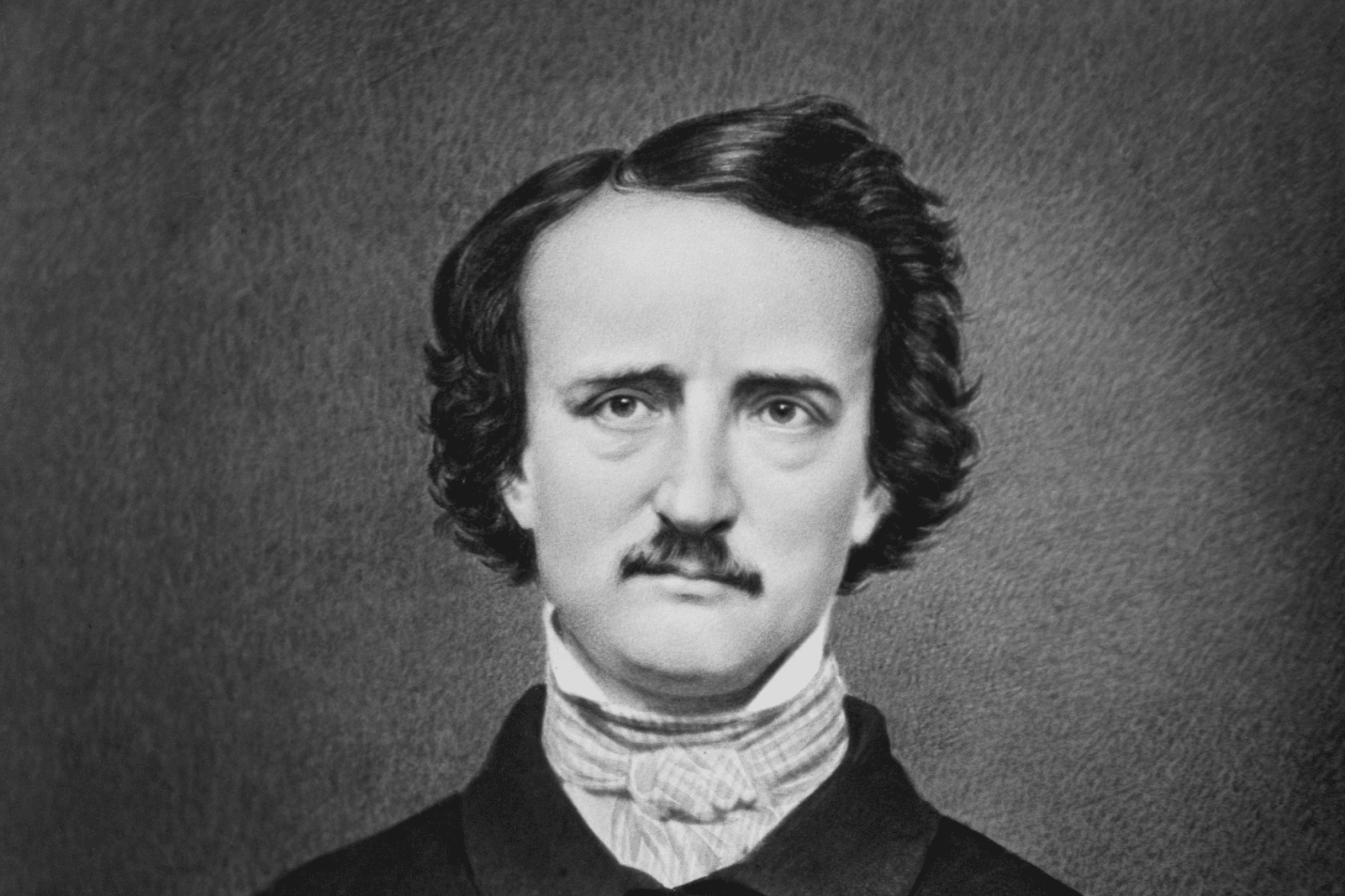
The writer resided in Philadelphia for a period. He lived here with his wife and mother-in-law in a small house, which is now a National Historic Site, also serving as a house-museum dedicated to the American literary master, Edgar Allan Poe.
Every Philadelphian knows that the writer once lived and worked right here, in the house on 7th Street. Through the centuries, the memory of the beloved writer Edgar Allan Poe has endured, still living within the building’s walls. Even though he only lived and worked in this house for a mere 12 months, from 1843 to 1844, this period proved to be pivotal in his life and creative output.
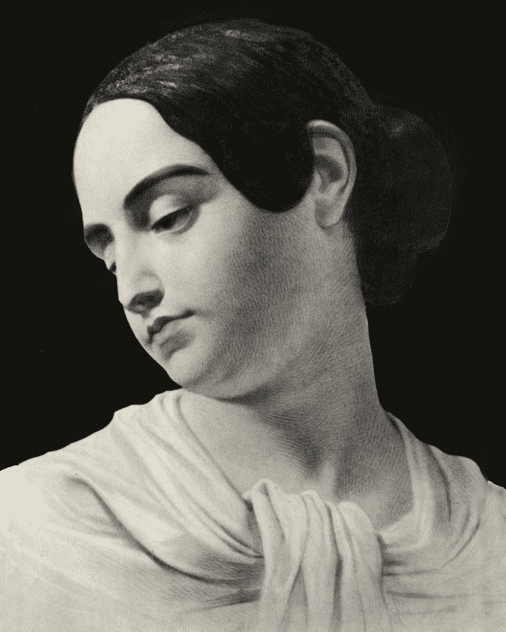
In Philadelphia, Edgar Poe began working on his only play, “Politian,” which, regrettably, remained unfinished. It was in the 7th Street house that he wrote some of his most famous and arguably best short stories: “The Gold-Bug” and “The Tell-Tale Heart.” However, the American author didn’t stay in Philadelphia for long. His departure from the city essentially marked the beginning of the Poe museum complex’s establishment.
Edgar Allan Poe in the House on 7th Street
The Edgar Allan Poe House and Museum is located in Philadelphia, on 7th Street. Initially, this building served as a residential home. In 1838, Poe arrived in the city and rented accommodation where he lived with his wife and her mother. The house on 7th Street wasn’t the American writer’s only residence. Over time, he changed his place of abode several times, living on Arch Street, Coates Street, and 16th Street. The period Edgar Allan Poe spent in Philadelphia is considered the happiest and most productive of his life.
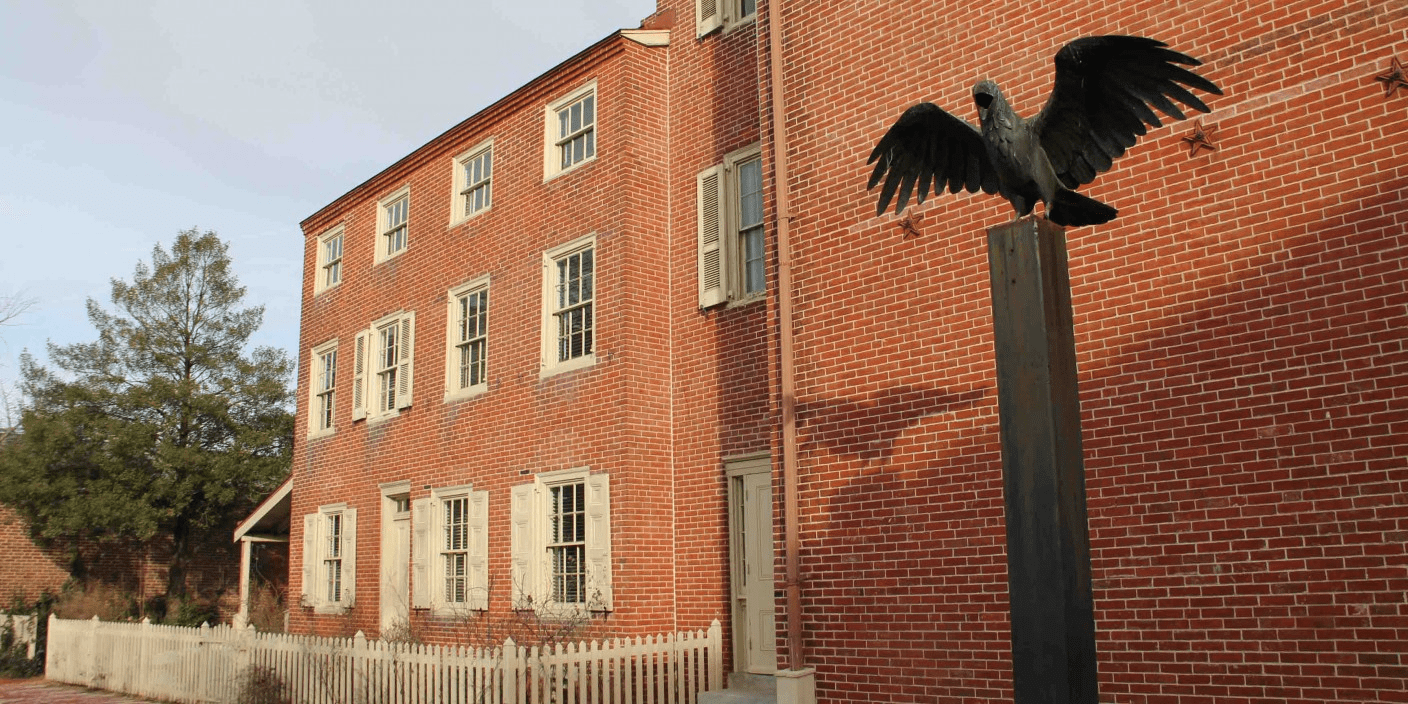
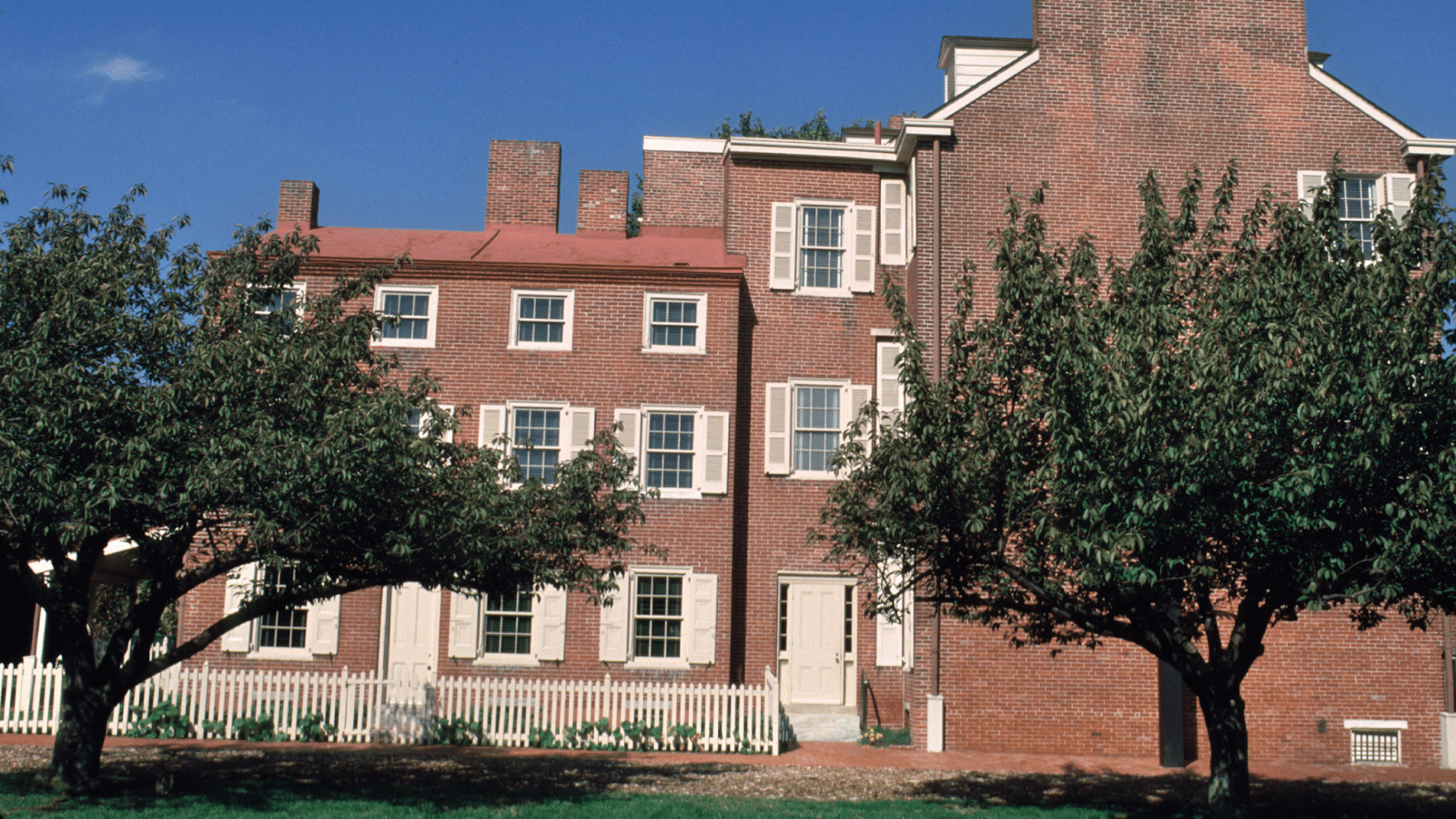
Of all the houses Edgar Poe inhabited in Philadelphia, the 7th Street house is considered the only building that has been so well preserved to this day. The reason for moving to this particular street was likely due to the health of Poe’s wife, Virginia, who suffered from severe tuberculosis for a long time. One visitor described the dwelling as a “shack,” probably because of its modest size.
During the years Edgar and Virginia Poe lived here, the neighborhood around the street was primarily populated by Protestants, known today as “Quakers.” They are renowned for their pacifist principles (condemning any form of war and not seeing it as an instrument of foreign policy) and their humanist approach. Quakers referred to themselves as the Religious Society of Friends.
Edgar worked, while Maria Clemm, Virginia Poe’s mother, managed the household. She created a cozy atmosphere for the small family living within these walls. Poe’s neighbors even mentioned this, as they frequently saw Maria Clemm tending to the house.
Richard Gimbel’s Role in Establishing the House-Museum
During his time in this house, the writer experienced financial hardship. He often lacked enough money to pay the rent. However, his landlord and the plumber, who frequently visited Edgar Poe’s temporary residence, were understanding. The famous writer was destined for a life of “poverty” throughout his short existence, a life filled with relentless work. Ultimately, this undermined the talented artist’s health.
In 1844, Edgar Poe left Philadelphia. New residents moved into the house. It’s difficult to say how many families lived in the historic building after Poe’s departure, but there were quite a few. The building continued to serve its primary function until 1933, when it caught the attention of the son of the Gimbel’s department store founder.
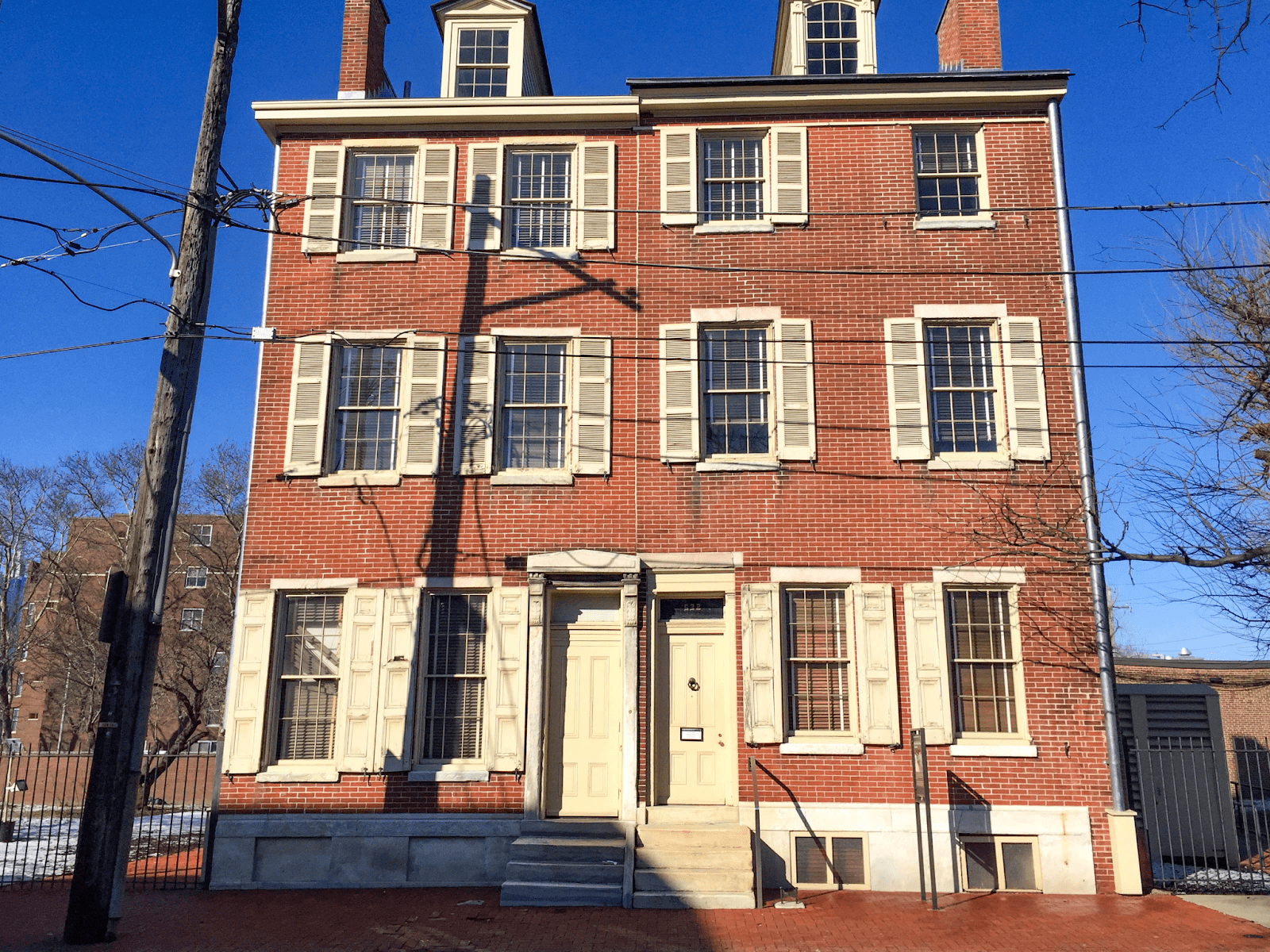
Richard Gimbel was an American businessman, working in the family’s Gimbel’s business. In 1827, he became Vice President of Gimbel Brothers. In 1933, in Philadelphia, his attention was drawn to the house on 7th Street—the very one where Edgar Allan Poe had lived back in the 19th century. Richard Gimbel was a devoted admirer of this American author’s work. He decided to renovate the old structure and transform it into a museum in memory of the writer. And so it was done.
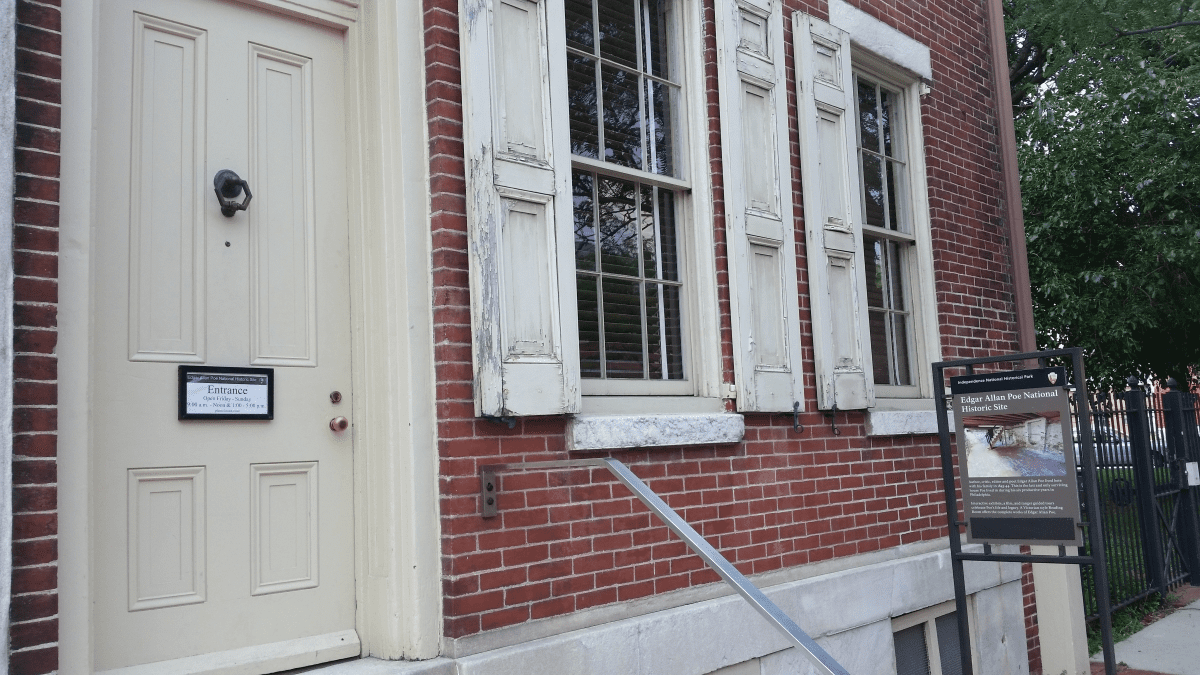
The fate of the Poe house-museum concerned Gimbel deeply. Even after his death, he bequeathed the historic building to Philadelphia. In 1978, the structure became a National Historic Site. It then came under the intensive care and supervision of the National Park Service, which manages all national parks and some historical sites in the U.S.
The house-museum was restored in 1980. Since then, and to this day, tours have continued without interruption. Visitors include not only literary enthusiasts and Poe fans but also ordinary tourists and those seeking interesting places in Philadelphia.
What’s Interesting to See at the Poe Museum?
For visitors, the museum features three permanent and two temporary exhibitions. Upon visiting the house on 7th Street, you’ll notice that the former writer’s residence includes additional buildings. These were added somewhat later, after Poe’s departure from Philadelphia.
The American essayist and playwright’s residence has undergone changes over time. The rooms are in a state of decay, and their furnishings do not match what they would have been during Edgar Poe’s time. The tour includes visiting not only the rooms in the house but also the basement. Some are convinced that this very basement inspired the writer to pen his short story “The Black Cat,” drawing comparisons between the textual description of the cellar and the real one in the house.
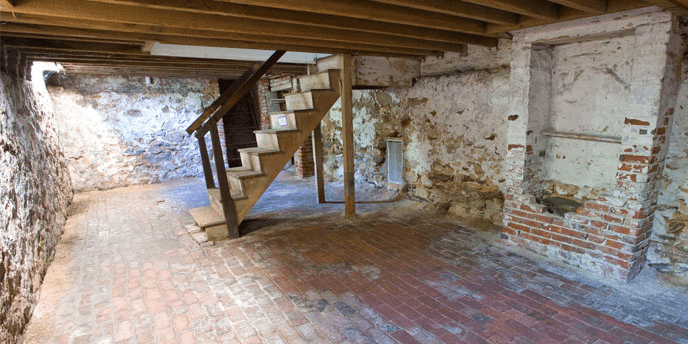
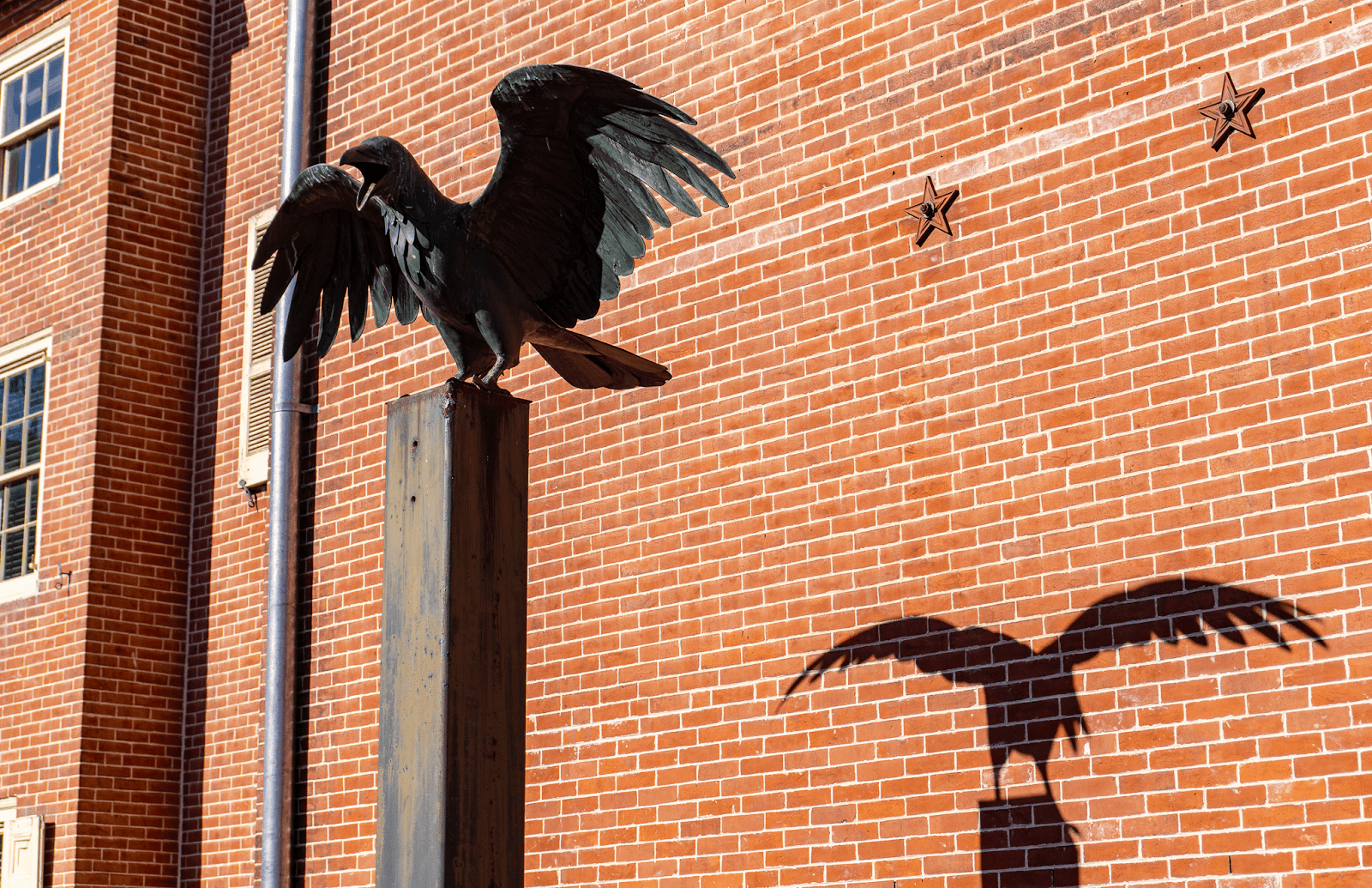
Near the house stands a statue of a large raven. Edgar Poe’s poem “The Raven” tells the story of a raven that visits a grief-stricken young man and constantly repeats only one word: “Nevermore.” The raven is a key figure in this poetry and is depicted in the sculpture.
The house-museum does not contain items that belonged to the Poe family. Many exhibits are preserved in the Free Library of Philadelphia. Nevertheless, this historic site is worth visiting. The museum hosts readings of Edgar Poe’s poetry, with even famous American actors participating in these literary events.
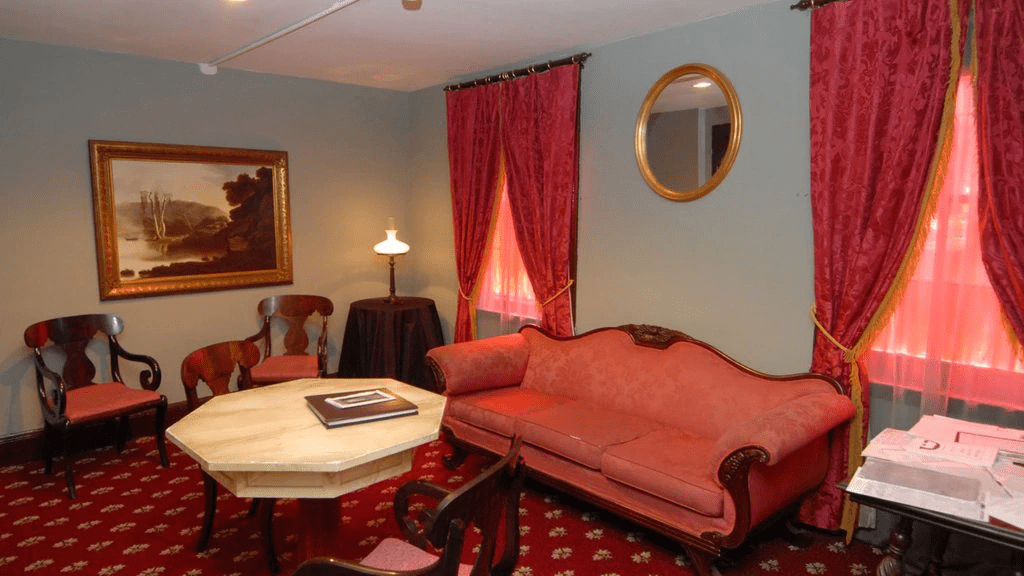
To learn more about the writer’s life, visitors are shown a documentary film. All of this creates a special atmosphere, encouraging exploration of the work of American artist and founder of detective fiction, Edgar Allan Poe.
Today, the contradictory image of Poe continues to draw immense interest. It’s not just the writer’s personality but also his body of work that remains captivating.